By Dr. Eakramul Haque, BDS (DU)
Founder & Managing Director, Creative Consultancy
Updated: October 2026 | Study in Malaysia Guide 2027
Choosing a university abroad is one of the biggest educational decisions a student and their family will make. For many Bangladeshi students, Malaysia is an attractive option because it offers English-medium education, a wide choice of academic programmes and different tuition-fee options.
But once you start researching universities, things can become confusing.
Should you choose a university because of its world ranking? Is a university with higher tuition fees necessarily better? Which institution is suitable for Artificial Intelligence, Business, Engineering or Medicine? And how do you know whether your degree will be recognised when you return to Bangladesh?
These are questions we regularly discuss with students and parents at Creative Consultancy.
Since establishing Creative Consultancy in 2021, I have worked in international education, with a particular focus on helping students understand their academic options and future career pathways.
One thing I have learned is that choosing the right university requires more than comparing names and rankings. A university should match the student's academic qualifications, interests, financial situation and long-term goals.
In this guide, we will look at 10 private universities in Malaysia for Bangladeshi students planning to study in 2027, including their popular academic fields, admission considerations, scholarships, tuition costs and student visa requirements.
The purpose is simple: to help you make an informed decision before investing your time and money.
Malaysia has become a familiar destination for Bangladeshi students pursuing higher education abroad.
There are several reasons why students and families consider it.
Many Malaysian private universities offer programmes taught in English.
For students who want to develop their academic knowledge and communication skills in an international environment, this can be an advantage.
However, English language requirements vary by university and programme. Students should confirm whether IELTS, TOEFL, PTE or another accepted qualification is required.
Malaysia offers private universities across several price ranges.
Students can compare institutions based on their budget, selected programme, scholarship eligibility and living expenses.
A Business or Computer Science degree may have a very different cost structure from an MBBS or Dentistry programme.
Some Malaysian private universities have academic partnerships with institutions in countries such as the UK and Australia.
Depending on the programme, students may find dual-award degrees, credit-transfer arrangements or other international study pathways.
These arrangements are programme-specific and should be confirmed before admission.
Malaysia has students from different countries and cultural backgrounds.
For Bangladeshi students, the availability of familiar food, established communities and international student services can help make the transition to university life easier.
Malaysian private universities offer programmes in areas including:
Business and Management
Computer Science and Information Technology
Artificial Intelligence and Cyber Security
Engineering
Medicine and Dentistry
Pharmacy and Nursing
Hospitality and Tourism
Psychology and Education
Master's and PhD programmes
Students should choose their subject first, then compare the universities that offer a suitable programme.
The following universities have been selected as a practical shortlist for Bangladeshi students. This is an editorial guide rather than an official ranking of Malaysia's ten highest-ranked private universities.
University | Main Location | Popular Academic Areas |
|---|---|---|
Taylor's University | Subang Jaya | Hospitality, Business, Architecture |
Asia Pacific University (APU) | Kuala Lumpur | AI, Cyber Security, Computer Science |
Sunway University | Bandar Sunway | Business, Computing, Hospitality |
UCSI University | Kuala Lumpur | Pharmacy, Engineering, Business |
INTI International University | Nilai | Business, Computing, Engineering |
SEGi University | Kota Damansara | Business, Healthcare, Education |
Management & Science University (MSU) | Shah Alam | Healthcare, Management, Hospitality |
IMU University | Kuala Lumpur | Medicine, Dentistry, Pharmacy |
University of Cyberjaya | Cyberjaya | Medicine, Pharmacy, Allied Health |
MAHSA University | Bandar Saujana Putra | Medicine, Dentistry, Nursing |
Let's look at what makes each university worth considering.
Location: Subang Jaya, Selangor
Official Website: https://university.taylors.edu.my
Taylor's University is one of Malaysia's established private universities, offering undergraduate and postgraduate education across several disciplines.
It is particularly worth considering for students interested in Hospitality, Tourism, Business, Architecture and Design.
The university's Lakeside Campus in Subang Jaya provides a distinctive learning environment, with academic buildings, student facilities and a central lake.
Business and Management
Hospitality Management
Tourism and Events
Computer Science
Architecture
Mass Communication
Culinary Arts
Psychology
Medicine

Taylor's may appeal to students who want to combine academic study with practical learning and exposure to industry-related activities.
For example, a student interested in Hospitality Management should examine the programme's practical training arrangements, internship opportunities and course structure.
Students should also compare tuition fees carefully, as Taylor's may require a higher budget than some other Malaysian private universities.
Best suited for: Students interested in Hospitality, Tourism, Business, Architecture and related disciplines.
Location: Bukit Jalil, Kuala Lumpur
Official Website: https://www.apu.edu.my
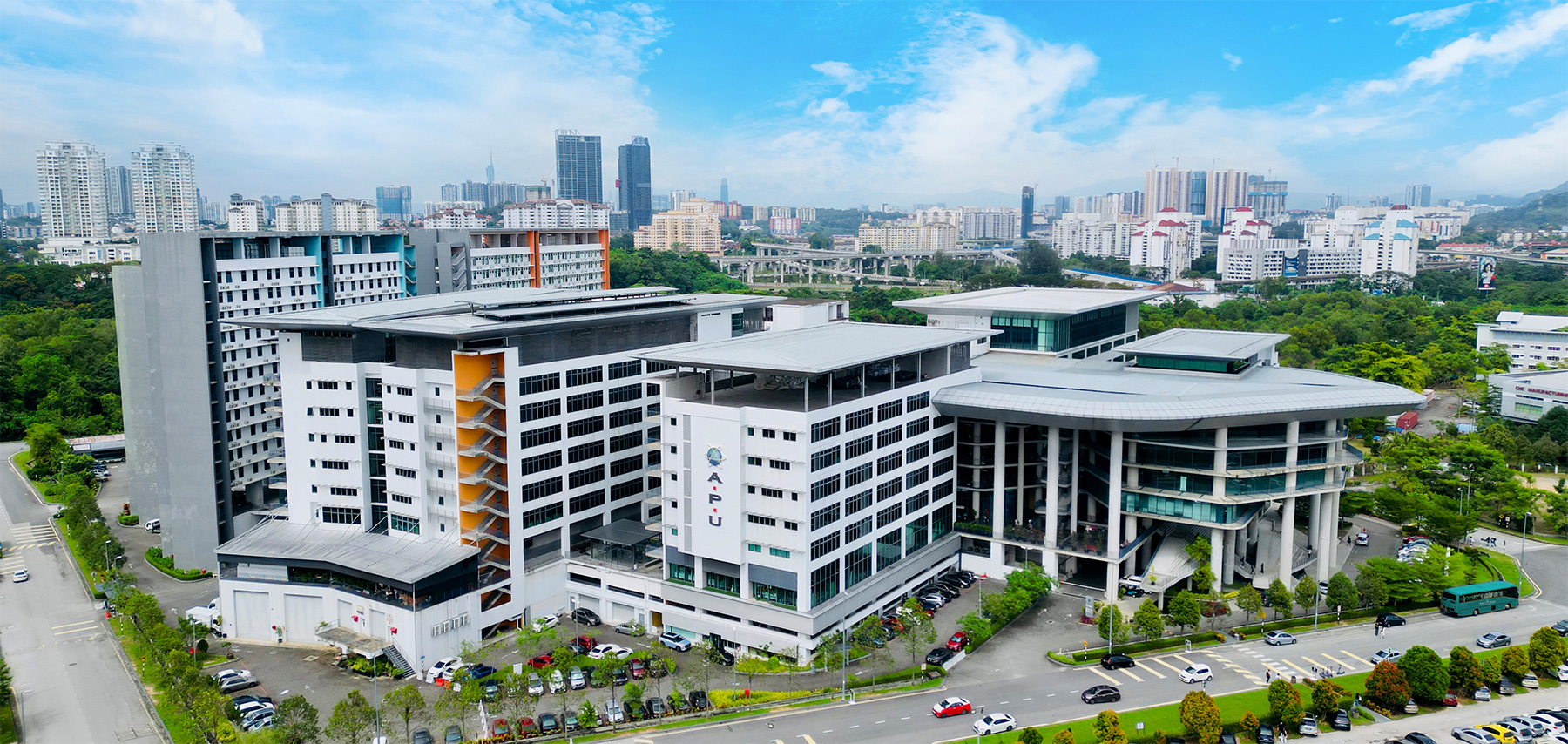
If your preferred subjects are Artificial Intelligence, Cyber Security, Data Science or Software Engineering, Asia Pacific University of Technology & Innovation deserves serious consideration.
APU is a private Malaysian university with a strong focus on technology and computing education.
It also offers programmes in Business, Finance, Accounting and other disciplines.
Computer Science
Artificial Intelligence
Cyber Security
Data Science
Software Engineering
Information Technology
Financial Technology (FinTech)
Game Development
Business Management
Accounting and Finance
Technology-related careers require practical skills, problem-solving ability and a willingness to keep learning.
Students considering APU should look closely at programme modules, software tools, project opportunities and internship arrangements.
For example, someone interested in Cyber Security should examine whether the programme covers network security, digital forensics, ethical hacking and other relevant technical subjects.
APU also offers postgraduate study opportunities for students interested in advanced computing disciplines.
APU may be a suitable option for students who have completed HSC, A Levels or an equivalent qualification and meet the relevant academic and English language requirements.
Students should confirm Mathematics prerequisites and other subject-specific conditions before applying.
Best suited for: Artificial Intelligence, Cyber Security, Computer Science, Data Science and Software Engineering students.
Location: Bandar Sunway, Selangor
Official Website: https://sunwayuniversity.edu.my
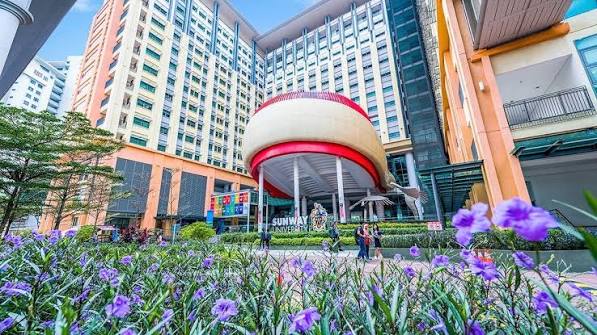
Sunway University is another established private university offering programmes in Business, Computing, Hospitality, Science and other fields.
The university is located in Bandar Sunway, an area with educational institutions, residential facilities, shopping centres and transport connections.
For students moving abroad for the first time, the surrounding environment is an important part of university selection.
Business Administration
Accounting and Finance
Computer Science
Information Systems
Hospitality Management
Culinary Management
Psychology
Biological Sciences
Communication
Sunway offers students opportunities to study in an international academic environment.
It is worth comparing with Taylor's, APU and UCSI, depending on the chosen subject.
Students should review the curriculum, degree-awarding arrangements, tuition fees and available financial assistance.
Best suited for: Business, Accounting, Computing, Hospitality and Psychology students.
Location: Kuala Lumpur, with other campus locations
Official Website: https://www.ucsiuniversity.edu.my
UCSI University is a multidisciplinary private university offering programmes in healthcare, engineering, business, music and several other fields.
For Bangladeshi students who want to compare different academic options, UCSI offers a broad selection.
Pharmacy
Medicine
Engineering
Computer Science
Business Administration
Accounting and Finance
Architecture
Music
Hospitality Management
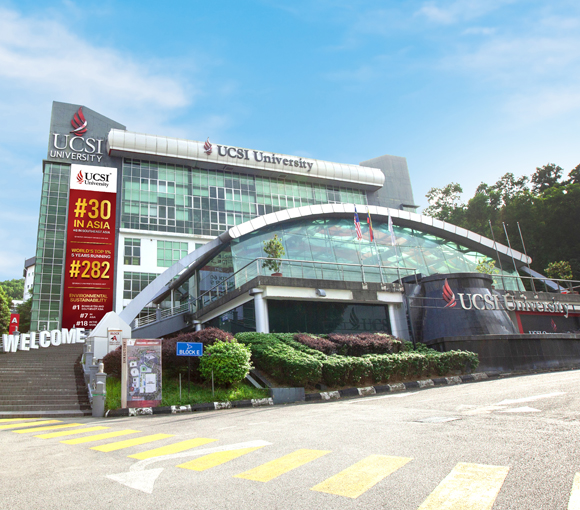
UCSI is worth exploring for students interested in professional and technical disciplines.
For example, a student considering Pharmacy should examine the programme's accreditation, laboratory facilities, practical training and future professional registration requirements.
Similarly, Engineering applicants should review programme recognition and the requirements of relevant engineering bodies.
Best suited for: Pharmacy, Engineering, Computing, Business and Music students.
Location: Nilai, Negeri Sembilan
Official Website: https://newinti.edu.my
INTI International University is an established Malaysian private university offering programmes at undergraduate and postgraduate levels.
It is a relevant option for Bangladeshi students interested in Business, Computing, Engineering and research-based higher education.
INTI also has other institutions and campuses, so students should verify the exact location and awarding institution of their selected programme.
Business Administration
Management
Computer Science
Information Technology
Engineering
Accounting and Finance
Biotechnology
Education
Master's programmes
PhD programmes
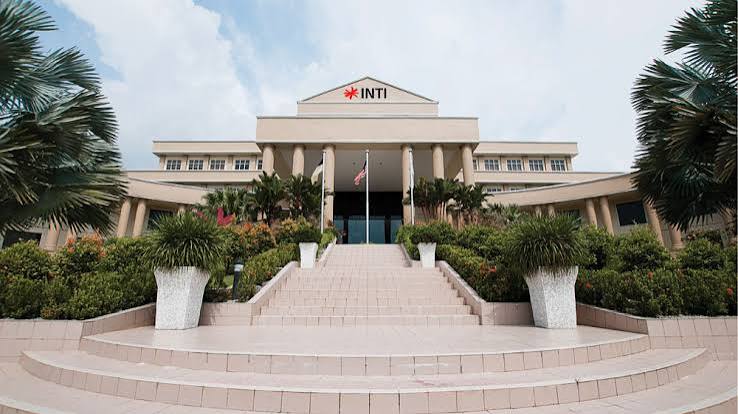
INTI provides academic pathways for students at different stages of their education.
For undergraduate applicants, programme content, tuition fees and academic eligibility should be the main considerations.
For postgraduate research students, supervisor availability and research suitability are particularly important.
A student applying for a PhD in Management, for example, should prepare a research proposal that matches the university's academic expertise.
INTI is worth considering for students interested in research-based Master's and doctoral programmes.
Applicants should confirm the entry requirements, research mode, supervision arrangements and expected study duration.
Best suited for: Business, Engineering, Computing, Education and postgraduate research applicants.
Location: Kota Damansara, Selangor
Official Website: https://www.segi.edu.my
SEGi University offers programmes in Business, Computing, Engineering, Healthcare, Education and other disciplines.
It may be a useful option for students comparing different programme structures, academic pathways and tuition fees.
SEGi also operates colleges in Malaysia. Students should understand the difference between programmes delivered by SEGi University and those offered through SEGi Colleges.
Business Management
Computer Science
Information Technology
Engineering
Medicine
Dentistry
Psychology
Education
Hospitality Management
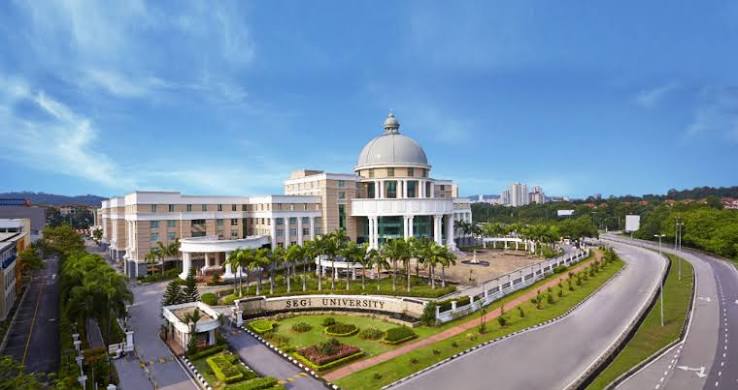
SEGi offers a variety of academic options, and scholarships or tuition discounts may be available for eligible students.
However, scholarship conditions can differ by programme and intake.
Students should request written confirmation of the tuition fee, scholarship amount and any conditions attached to the award.
Best suited for: Students considering Business, Computing, Engineering, Healthcare and Education.
Location: Shah Alam, Selangor
Official Website: https://www.msu.edu.my
Management & Science University, commonly known as MSU, is a private university offering programmes in Healthcare, Management, Hospitality and other fields.
It is worth considering for students interested in both professional healthcare education and business-related studies.
Medicine
Pharmacy
Nursing
Biomedical Science
Healthcare Management
Business Management
Hospitality and Tourism
Computer Science
Postgraduate Research

MSU offers students several healthcare-related academic options.
Students interested in Medicine, Pharmacy or Nursing should compare the curriculum, clinical training arrangements and professional accreditation.
For postgraduate applicants, MSU also offers opportunities to explore research in relevant academic disciplines.
Best suited for: Healthcare, Pharmacy, Nursing, Business and Hospitality students.
Location: Bukit Jalil, Kuala Lumpur
Official Website: https://www.imu.edu.my
IMU University, formerly known as International Medical University, is a Malaysian private university focused on medicine and health sciences.
For Bangladeshi students who want to pursue a career in healthcare, IMU is an institution worth researching carefully.
Medicine
Dentistry
Pharmacy
Nursing
Biomedical Science
Nutrition
Dietetics
Psychology
Other Health Sciences
IMU offers academic pathways for students interested in healthcare professions.
However, students should understand that completing a medical or healthcare degree does not automatically provide the right to practise in another country.
Professional registration and licensing requirements differ between countries.
For example, a Bangladeshi student planning to return home after completing MBBS should check the applicable requirements of the Bangladesh Medical and Dental Council before enrolling.
Best suited for: Students interested in Medicine, Dentistry, Pharmacy and other health sciences.
Location: Cyberjaya, Selangor
Official Website: https://cyberjaya.edu.my
The University of Cyberjaya is a Malaysian private university with a strong background in healthcare education.
It offers programmes in Medicine, Pharmacy, Nursing, Allied Health, Business and other academic disciplines.
Bachelor of Medicine and Bachelor of Surgery (MBBS)
Pharmacy
Nursing
Physiotherapy
Occupational Safety and Health
Psychology
Business Administration
Biomedical-related Programmes
Postgraduate Healthcare Programmes
The university provides several academic pathways for students interested in healthcare.
For example, a student who wants to work in the healthcare sector but is uncertain about MBBS can also explore Pharmacy, Physiotherapy, Nursing and other relevant programmes.
Each profession has different responsibilities, training requirements and licensing pathways.
Students should understand these differences before choosing a programme.
Best suited for: MBBS, Pharmacy, Nursing, Physiotherapy and other healthcare-related students.
Location: Bandar Saujana Putra, Selangor
Official Website: https://mahsa.edu.my
MAHSA University is another Malaysian private university offering education in Medicine, Dentistry, Nursing, Pharmacy and other disciplines.
It is particularly relevant for Bangladeshi students interested in healthcare professions.
Medicine
Dentistry
Nursing
Pharmacy
Physiotherapy
Biomedical Science
Business
Engineering
Allied Health Sciences
MAHSA provides several options for students who want to pursue healthcare-related education.
Students should compare programme duration, clinical placements, accreditation and the requirements for professional registration after graduation.
Best suited for: Medicine, Dentistry, Nursing, Pharmacy and Allied Health students.
There is no single university that is right for every student.
Your choice should depend on your subject, academic qualifications, budget and future plans.
Here is a subject-based comparison to help you get started.
Preferred Subject | Universities Worth Comparing |
|---|---|
Artificial Intelligence | APU, INTI, Sunway |
Cyber Security | APU and other universities offering suitable accredited programmes |
Computer Science | APU, Sunway, INTI, UCSI |
Business Management | Taylor's, Sunway, INTI, SEGi |
Engineering | UCSI, INTI, SEGi |
Hospitality and Tourism | Taylor's, Sunway, MSU |
Medicine (MBBS) | IMU, University of Cyberjaya, MAHSA, MSU |
Pharmacy | IMU, UCSI, University of Cyberjaya, MSU |
Nursing | MAHSA, MSU, University of Cyberjaya |
Master's and PhD | INTI, APU, UCSI, MSU and other suitable universities |
These recommendations are intended as a starting point. Confirm that the exact programme is available for your preferred intake.
The total cost of studying in Malaysia depends on several factors.
These include the university, programme, duration, scholarship, accommodation and personal living expenses.
A student choosing a three-year Business degree will usually have a different financial plan from someone pursuing a five-year MBBS programme.
Before applying, students should request a complete fee breakdown.
Tuition Fees: The total academic cost of the programme, including any required additional academic charges.
Application and Registration Fees: Charges associated with processing and confirming admission.
Student Visa Fees: EMGS, immigration and other applicable charges.
Medical Insurance: Required coverage for international students.
Accommodation: University residence or private housing.
Living Expenses: Food, transport, mobile services and other personal costs.
Travel Expenses: Flights and initial settlement costs.
At Creative Consultancy, we encourage students to calculate their total expected cost before accepting an offer.
A scholarship can reduce tuition expenses, but it may not cover accommodation, visa charges or living costs.
Many Malaysian private universities offer scholarships or financial assistance to eligible students.
The amount and conditions depend on the institution, programme and intake.
Some awards are based on academic results. Others may be offered through specific admission campaigns or university arrangements.
Students should check:
Whether they meet the scholarship requirements.
How much tuition the scholarship covers.
Whether it applies throughout the degree.
Whether minimum academic results must be maintained.
Whether the award can be combined with other discounts.
Never assume that a scholarship advertised for one intake will automatically apply to the next.
For the 2027 intake, applicants should request current scholarship details from the relevant university.
Admission requirements vary by programme and qualification level.
Students who have completed SSC may be considered for selected diploma or other eligible academic pathways, depending on the institution's admission rules.
SSC alone should not be assumed sufficient for direct entry into a bachelor's degree.
Students who have completed HSC may apply for suitable undergraduate programmes, subject to academic equivalency and subject-specific requirements.
For example, Engineering and Computing programmes may require Mathematics, while Medicine and Pharmacy have more specific science-related requirements.
Graduates may apply for relevant Master's programmes, depending on their academic background, CGPA and other admission requirements.
Students interested in doctoral education can explore PhD programmes in relevant fields.
Research-based applicants may need a research proposal, academic CV and evidence that suitable supervision is available.
Valid passport
Academic certificates and transcripts
Passport-sized photograph
English language proficiency evidence, where required
Additional university-specific documents
Students applying for postgraduate research may need further supporting documents.
Once a student receives an offer letter and completes the university's required admission steps, the Student Pass application process can begin.
Education Malaysia Global Services (EMGS) supports the processing of international student applications, while immigration approval is issued by the relevant Malaysian authorities.
Step 1: University Admission
Apply to a suitable Malaysian university and receive an offer letter.
Step 2: Document Preparation
Prepare the passport, academic documents, health declaration and other required materials.
Step 3: EMGS Application
The Student Pass application is submitted through the appropriate official process.
Step 4: Application Screening
EMGS and the relevant authorities review the submitted information.
Step 5: Visa Approval Letter
If approved, the student receives an electronic Visa Approval Letter (eVAL).
Step 6: Single-Entry Visa
Bangladeshi applicants generally need to obtain the applicable Single-Entry Visa before travelling.
Step 7: Travel to Malaysia
Travel after receiving the necessary approvals and following the university's arrival instructions.
Step 8: Post-Arrival Medical Screening
Complete the required medical screening and subsequent Student Pass endorsement formalities.
EMGS requires new international students to attend medical screening at an approved panel clinic within seven working days of arrival.
Processing times vary. Students should apply early and should not assume that visa approval is guaranteed.
For current information, visit the official EMGS website:
https://visa.educationmalaysia.gov.my/
Before choosing a university, students should verify the accreditation status of their selected programme.
In Malaysia, the Malaysian Qualifications Agency (MQA) maintains the Malaysian Qualifications Register (MQR).
Students can use the official register to review accredited qualifications.
Official MQA Register: https://www.mqa.gov.my/mqr/english/eakrbyipts.cfm
University recognition and programme accreditation are related but separate considerations.
For regulated professions such as Medicine, Dentistry, Nursing, Pharmacy and Engineering, additional professional requirements may apply.
Students planning to practise in Bangladesh should check the relevant Bangladeshi professional authority before admission.
Some Malaysian universities consider credit-transfer applications from students who have completed part of a degree in Bangladesh or another country.
For example, a student who has completed several semesters of a BBA programme may be able to request a credit-transfer assessment.
The university normally reviews:
Previous academic transcripts
Course outlines and syllabuses
Credit hours
Academic grades
Programme compatibility
Recognition of the previous institution
The receiving university decides which credits, if any, can be transferred.
Students should obtain a written assessment before leaving their current institution.
International students in Malaysia are subject to immigration restrictions on employment.
Part-time work may be permitted under specific conditions, including applicable approval requirements and restrictions on working periods and job categories.
Students should verify current rules with the Malaysian Immigration Department and their university.
We recommend preparing a financial plan that does not depend on part-time income.
At Creative Consultancy, we understand that students and parents need clear information before making an international education decision.
Our work began in 2021, with a focus on helping students explore medical and dental education abroad. Over time, our services expanded to include other academic disciplines and Malaysian universities.
Today, we assist students interested in programmes ranging from Foundation and Diploma studies to Bachelor's, Master's and PhD degrees.
Our approach begins with a conversation.
We want to understand what the student has studied, what they want to study next, how much their family can reasonably spend and what they hope to do after graduation.
These details help us identify suitable options.
We help students compare universities based on their academic qualifications, subject preferences, budget and future plans.
Our team provides guidance on application forms, academic documents, admission requirements and university communication.
We help students understand available scholarship opportunities and the conditions attached to them.
We guide students through the required documents and relevant steps in the Malaysian Student Pass application process.
Final approval remains with the Malaysian authorities.
We help students understand travel preparation, accommodation considerations and the requirements they should complete before arriving in Malaysia.
For students pursuing professional programmes, particularly Medicine and healthcare-related degrees, we also discuss future licensing and postgraduate pathways.
A student planning to practise medicine in Bangladesh may have different requirements from someone hoping to pursue medical registration in the UK, USA or Australia.
Understanding these requirements early can help students avoid choosing a programme that does not match their professional plans.
Our goal is to help students understand their options and make informed decisions about their education.
The best choice depends on your intended subject, budget and career goals. APU is worth comparing for technology-related programmes, while Taylor's and Sunway offer options in Business and Hospitality. Students interested in Medicine should examine institutions such as IMU, University of Cyberjaya, MAHSA and MSU.
Yes. HSC graduates may qualify for selected bachelor's programmes, subject to the university's academic equivalency assessment and programme-specific requirements.
English language requirements depend on the university, programme and applicable Student Pass rules. Some institutions accept alternative English proficiency qualifications. Applicants should confirm both admission and immigration requirements.
APU is one option worth considering. Students can also explore suitable computing and AI-related programmes at other Malaysian universities, depending on their academic qualifications and interests.
Yes, subject to eligibility and admission requirements. Students should check the selected programme's accreditation and applicable professional recognition requirements before enrolling.
Yes. Scholarships and tuition discounts may be available to eligible international students. Conditions differ between universities, programmes and intakes.
Some applicants may qualify through accepted alternative English language evidence. However, university admission requirements and Student Pass requirements must both be satisfied.
Dependent eligibility is subject to Malaysian immigration rules, the student's qualification level and other applicable conditions. Students should confirm their specific eligibility before making plans.
Some universities allow credit-transfer applications. Approval depends on the receiving university's assessment of previous academic work.
You can contact Creative Consultancy with your academic qualifications, preferred subject and estimated budget. Our team can help you compare suitable programmes and understand the application requirements.
When choosing a university in Malaysia, do not make your decision based only on rankings, advertisements or scholarship percentages.
Think about what you want to study and what you hope to do after completing your degree.
If you are interested in Artificial Intelligence, compare universities that offer suitable computing programmes.
If you want to become a doctor, look carefully at medical accreditation, clinical training and future licensing requirements.
If your goal is Business or Management, examine the curriculum, internship opportunities and total tuition costs.
Most importantly, discuss the financial commitment with your family and make sure you understand the full programme requirements.
A good university choice is one that fits your academic ability, budget and future plans.
At Creative Consultancy, we are here to help students and families understand those choices.
Are you planning to study in Malaysia for the 2027 intake?
Whether you are interested in Business, Computer Science, Artificial Intelligence, Engineering, Medicine, Pharmacy, Nursing, Hospitality or postgraduate research, our team can help you explore suitable university options.
Contact us to discuss your academic qualifications, preferred programme, admission requirements and available scholarships.
CREATIVE CONSULTANCY
Your Dream, Our Guidance.
Founder & Managing Director:
Dr. Eakramul Haque, BDS (DU)
Office Address:
Creative Consultancy
Ka-7/B, Bashundhara R/A Main Road
Dhaka 1229, Bangladesh
Contact Numbers:
+8801788521234
+8801332106562
+8801332106563
Official Websites:
https://www.creativeconsultancy.com.bd
https://ccapply.com
Start your Malaysia university application with Creative Consultancy.
Disclaimer: This article is intended for general educational guidance. University programmes, fees, scholarships, admission requirements and immigration rules may change. Students should verify the latest information with the relevant university, EMGS, MQA and professional regulatory authorities before making a final decision.
More posts you may want to read.
Study Diploma in Mechanical Engineering in Malaysia at MAHSA University: Course Details, Admission Requirements & Career Opportunities Are you interested in machines, technology, manufacturing and engineering design? Do you enjoy understanding how things work and solving practical problems? If so, the Diploma in Mechanical Engineering at MAHSA University, Malaysia , could be a great starting point for your engineering journey. Mechanical Engineering is one of the most important fields in modern industries. From automobile engines and manufacturing equipment to robotics, industrial machinery and air-conditioning systems, mechanical engineering plays a vital role in designing, developing and maintaining the technology we use every day. As industries continue to adopt automation, advanced manufacturing and innovative engineering solutions, the need for technically skilled professionals remains significant. For Bangladeshi students looking to gain international education and practical engineering knowledge, MAHSA University offers a diploma programme that combines theoretical learning with hands-on engineering experience. In this guide, we will explore everything you need to know about studying Diploma in Mechanical Engineering in Malaysia , including MAHSA University, course structure, practical training, admission requirements, career opportunities and further study options. We will also explain how Creative Consultancy can help you with your Malaysian university admission and student visa application. 1. About MAHSA University, Malaysia Established in 2005, MAHSA University is a Malaysian private higher education institution located in Bandar Saujana Putra, Selangor. The university offers programmes across several academic disciplines, including Medicine, Dentistry, Nursing, Pharmacy, Health Sciences, Business, Information Technology and Engineering. Its Faculty of Engineering, Built Environment and Information Technology provides academic opportunities for students interested in developing technical and professional skills. Although MAHSA is particularly recognised for its healthcare-related programmes, its engineering courses also provide opportunities for students interested in technical and industrial careers. Why Choose MAHSA University? Some features worth considering include: Industry-Focused Education: The university offers programmes designed to connect academic knowledge with professional and practical applications. Engineering Learning Environment: Students can develop technical knowledge through engineering subjects, laboratory activities and workshop-based learning. MQA-Accredited Programme: The Diploma in Mechanical Engineering is listed in the Malaysian Qualifications Register under reference MQA/FA8418. Experienced Academic Environment: The Faculty of Engineering brings together academic staff and engineering professionals with different areas of specialisation. International Education Experience: Students can experience Malaysian university life and interact with people from different backgrounds. Further Study Opportunities: Eligible diploma graduates can explore progression to relevant bachelor's degree programmes. These features make MAHSA University worth considering for students planning to pursue an engineering qualification in Malaysia. 2. What Is Mechanical Engineering? Mechanical Engineering is a branch of engineering concerned with designing, developing, manufacturing, operating and maintaining machines and mechanical systems. In simple terms, it involves understanding how machines work and finding ways to make them more efficient, reliable and effective. Think about the engines in cars, manufacturing machines in factories, elevators in buildings, industrial pumps and air-conditioning systems. All these involve mechanical engineering principles. The field combines several important areas: Engineering Mathematics Engineering Mechanics Thermodynamics Fluid Mechanics Machine Design Manufacturing Technology Materials Science Computer-Aided Design Where Is Mechanical Engineering Used? Mechanical Engineering knowledge is applied in many industries. Industry Applications Automotive Vehicle engines and mechanical systems Manufacturing Production machinery and equipment Construction Mechanical installations and equipment Aerospace Aircraft mechanical components Energy Turbines and power generation Robotics Mechanical systems and automation Oil and Gas Industrial machinery HVAC Heating, ventilation and air-conditioning This wide range of applications makes Mechanical Engineering an interesting option for students who enjoy technology, practical work and problem-solving. 3. Diploma in Mechanical Engineering at MAHSA University The Diploma in Mechanical Engineering at MAHSA University is designed to develop students' understanding of mechanical systems, engineering principles, manufacturing processes and technical applications. The programme combines classroom learning with practical activities, laboratory sessions, engineering workshops and industrial training. Students learn how mechanical components are designed, manufactured, operated and maintained. They also develop the ability to apply engineering concepts to solve practical technical problems. Programme Overview Programme Information Details University MAHSA University Programme Diploma in Mechanical Engineering Qualification Diploma MQF Level Level 4 Duration 2.5 Years Total Credits 94 Study Mode Full-time Location Bandar Saujana Putra, Selangor, Malaysia MQA Reference MQA/FA8418 The programme is listed in the Malaysian Qualifications Register with an accreditation period from 1 January 2026 to 31 December 2031. What Makes This Programme Interesting? One of the important aspects of this diploma is its balance between theoretical knowledge and practical engineering skills. Students are introduced to: Mechanical systems and engineering components. Engineering design and technical drawing. Manufacturing and production processes. Engineering materials. Mechanical workshop practices. Technical calculations and problem-solving. Industrial engineering applications. The aim is to prepare students with a foundation that can support both further academic studies and technical career opportunities. 4. Course Curriculum: What Will You Study? The programme covers different areas of engineering, beginning with fundamental concepts and gradually progressing towards specialised mechanical engineering subjects. A. Engineering Foundation Subjects Technical Mathematics 1, 2 and 3 Develop mathematical skills used in engineering calculations, measurements and technical problem-solving. Computer Programming Learn basic programming concepts that can support engineering calculations and computational applications. Engineering Drawing Understand technical drawings and learn how engineering components and designs are represented. Engineering Design Explore the principles of designing engineering solutions and evaluating technical requirements. Materials Science and Engineering Study the properties and applications of engineering materials used in mechanical systems. B. Core Mechanical Engineering Subjects Thermodynamics Understand heat, energy and energy transfer in mechanical systems, including engines and power equipment. Fluid Mechanics Learn how liquids and gases behave and move through pipes, pumps and mechanical systems. Statics and Dynamics Study forces, equilibrium and the motion of mechanical objects. Solid Mechanics Understand how solid materials respond to different forces and mechanical loads. Mechanical Design Explore how mechanical components and systems are designed to perform specific functions. Manufacturing Technology Learn about production methods, manufacturing processes and industrial equipment. Additive Manufacturing Explore modern manufacturing technologies such as 3D modelling and 3D printing using Fusion 360. C. Practical and Technical Subjects The programme also includes practical components such as: Mechanical Workshop. Electrical and Electronic Laboratory. Thermodynamics and Fluid Mechanics Laboratory. Strength of Material Laboratory. Final Year Project. Industrial Training. D. Technical Electives Students can explore additional subjects, including: Engineering Health and Safety. Electrical and Electronic Technology. Heating, Ventilating, Air Conditioning and Refrigeration. Management for Engineers. These subjects provide opportunities to understand different areas of engineering practice. The curriculum is particularly useful for students who want to connect classroom theories with practical engineering applications. 5. Practical Learning and Industrial Training Mechanical Engineering is not just about understanding formulas and theories. Students also need to know how machines, tools and mechanical systems work in real environments. That is why practical learning is an important part of this diploma. Students gain exposure to laboratory and workshop activities that help them understand engineering principles through practical applications. What Skills Can Students Develop? Understanding mechanical equipment. Reading and interpreting engineering drawings. Working with engineering materials. Understanding manufacturing processes. Performing technical measurements. Exploring mechanical design. Applying engineering calculations. Following workplace safety procedures. Industrial Training The programme includes an industrial training component, allowing students to gain exposure to professional engineering environments. Depending on their placement, students may experience manufacturing operations, mechanical maintenance, quality control, technical documentation and production processes. This exposure can help students understand workplace expectations and develop professional confidence. 6. Admission Requirements for Bangladeshi Students Students interested in applying for the Diploma in Mechanical Engineering at MAHSA University should first check their academic eligibility. The university publishes several admission pathways. Qualification General Entry Requirements SPM Three credits, including Mathematics and one Science/Technical/Vocational subject; pass English O-Level Grade C in three subjects, including Mathematics and one Science/Technical/Vocational subject; pass English UEC Grade B in three subjects, including Mathematics and one Science/Technical/Vocational subject; pass English STAM Maqbul, with required Mathematics, English and Science/Technical/Vocational passes Engineering Certificate Recognised Level 3 qualification, subject to the applicable CGPA and entry conditions Other Qualifications Equivalent qualifications approved by the university and Malaysian authorities Can Bangladeshi SSC and HSC Students Apply? Bangladeshi students may be considered through the university's assessment of overseas academic qualifications. The university will need to evaluate the student's academic background and determine whether the qualifications meet the relevant entry requirements. Students should generally prepare: SSC certificate and transcript. HSC certificate and transcript, if completed. Valid passport copy. Other documents requested by the university. Important: HSC equivalency and subject requirements should be confirmed individually with MAHSA University. Meeting the general academic requirements does not automatically guarantee admission. Creative Consultancy can help students review their academic documents and understand the appropriate application pathway. 7. English Language Requirements International students must meet the university's English language proficiency requirements. The published programme requirements include: English Qualification Minimum Requirement IELTS 5.0 TOEFL PBT 40 (confirm current accepted test version) MUET Band 3.5 Students should confirm the accepted test formats and any English exemption arrangements with the university before applying. 8. Tuition Fees and Scholarship Opportunities Financial planning is an important part of studying abroad. Before choosing a university, students and parents should understand the total cost of education. The tuition fee for international students should be confirmed through an updated official quotation from MAHSA University. Students should also consider: Registration and administrative charges. Student visa and insurance expenses. Accommodation. Food and transportation. Personal and academic expenses. Scholarship Opportunities MAHSA University provides scholarship information and financial assistance opportunities for eligible students. Scholarship availability, award amounts and eligibility conditions may vary. Creative Consultancy can help students explore available opportunities, understand the requirements and identify the relevant application procedures. We recommend confirming all scholarship conditions directly with the university before making financial commitments. 9. Career Opportunities After Completing the Diploma A Diploma in Mechanical Engineering can provide a foundation for technical and engineering-related career opportunities. After graduation, students may explore different roles depending on their skills, experience and employer requirements. Possible Career Opportunities Career Option Main Responsibilities Technical Assistant Support technical and engineering operations Assistant Engineer Assist with engineering projects and technical activities Assistant Resident Engineer Support engineering work at project sites Assistant Project Manager Assist with project coordination QA/QC Engineer Support quality assurance and quality control Contract Executive Assist with engineering contracts and documentation Industries Where Graduates May Work Manufacturing: Production processes, machinery and equipment operations. Automotive: Vehicle components, mechanical systems and maintenance. Construction: Mechanical installations and engineering project support. Energy: Industrial equipment and mechanical systems. Maintenance Services: Inspection, servicing and repair of machinery. HVAC and Refrigeration: Heating, ventilation, air-conditioning and cooling systems. Actual job eligibility and professional responsibilities depend on the employer, experience and applicable professional requirements. A diploma does not automatically qualify a graduate for every professional engineer position. 10. Further Study Opportunities After the Diploma Completing a diploma does not have to be the end of your academic journey. MAHSA's published progression pathway shows that eligible Diploma in Mechanical Engineering graduates may pursue a Bachelor of Mechanical Engineering with Honours . Students can then explore further postgraduate education, subject to the relevant admission requirements. This creates a possible academic pathway: SPM / O-Level / UEC → Diploma in Mechanical Engineering → Bachelor of Mechanical Engineering with Honours → Master's → PhD The diploma can therefore serve as an important foundation for students who want to continue developing their engineering knowledge and qualifications. 11. Why Study Mechanical Engineering in Malaysia? Malaysia is a destination worth considering for students interested in engineering and technical education. For Bangladeshi students, studying in Malaysia offers the opportunity to experience an international academic environment while developing technical knowledge and personal skills. Some potential benefits include: English-medium education at many universities. Exposure to multicultural student communities. Opportunities for practical and technical learning. Access to different engineering programmes. Opportunities for further academic progression. Experience living and studying independently in another country. When choosing a university, students should compare programme accreditation, curriculum, practical facilities, tuition fees and future academic goals. 12. Why Choose Creative Consultancy for Your Malaysia University Admission? Choosing a university abroad is a major decision for students and their families. From selecting the right programme to understanding admission requirements, preparing documents, exploring scholarships and completing student visa procedures, there are several important steps to manage. For students applying internationally for the first time, the process can sometimes feel confusing. This is where Creative Consultancy can make a difference. Creative Consultancy is one of Bangladesh's leading education agencies specialising in Malaysia. We are official representatives of Malaysian universities and are committed to providing professional guidance and transparent service. As an ICEF Accredited Agency – Agency Status #7411 , we understand the importance of professional standards, responsible student guidance and clear communication. Our goal is not simply to help students submit university applications. We want them to understand their educational options, make informed decisions and feel supported throughout their journey. How Creative Consultancy Supports Students 1. Personalised University and Course Selection Every student has different academic qualifications, interests and career ambitions. We help students explore suitable Malaysian universities and programmes based on their educational backgrounds and future goals. Whether you are interested in Mechanical Engineering, Civil Engineering, Business, Computing or Health Sciences, we can help you understand the available options. 2. Academic Eligibility Assessment Not sure whether your SSC, HSC, O-Level, A-Level or Diploma qualifications meet the university's requirements? Our team helps review academic documents, understand subject requirements and explore possible admission pathways. This allows students to understand their eligibility before proceeding with an application. 3. University Admission Assistance Applying to an international university involves several steps. We guide students through: Application preparation. Document submission. University communication. Application follow-ups. Additional document requirements. Offer letter guidance. Our aim is to make the admission process easier to understand and more organised. 4. Scholarship Guidance We understand that the financial cost of international education is a major consideration for many families. Creative Consultancy helps students explore available scholarship opportunities and understand the relevant eligibility requirements. Our support includes guidance on scholarship categories, academic conditions, application documents and applicable award terms. 5. Student Visa Application Support Receiving an offer letter is an important achievement, but international students must also complete the required Malaysian student visa procedures. We help students understand the visa application process, prepare relevant documents and follow the necessary application steps. Our guidance may include: Understanding student visa requirements. Identifying necessary documents. Reviewing application documentation. Explaining relevant procedures. Providing application progress guidance. Understanding visa-related next steps. All applications remain subject to applicable Malaysian immigration and EMGS requirements and decisions by the relevant authorities. We believe in proper preparation and honest guidance rather than unrealistic promises or guaranteed visa claims. 6. Transparent Communication We believe students and parents deserve clear information before making important decisions. That is why we emphasise transparency regarding: University admission requirements. Tuition fees and applicable charges. Scholarship conditions. Required documentation. Application procedures. Student visa requirements. Important application updates. We encourage students to ask questions and understand the process at every important stage. 7. Guidance Beyond Admission Our support can extend beyond the initial application. Depending on individual requirements, we can also guide students regarding offer letter conditions, outstanding documents, payment instructions, visa-related next steps and pre-departure preparation. Why Students and Parents Consider Creative Consultancy What You Need How We Help Choosing a university University selection guidance Finding a suitable course Programme guidance Checking eligibility Academic assessment Applying for admission Application assistance Exploring financial support Scholarship guidance Preparing documents Documentation guidance Understanding student visas Visa application support Preparing to travel Pre-departure guidance ICEF Accredited Agency – Professional Standards You Can Trust Creative Consultancy is an ICEF Accredited Agency with Agency Status #7411 . We understand that choosing an education consultancy requires trust. Students and parents want an agency that listens, communicates clearly and provides relevant guidance. We are committed to maintaining professional standards and transparent service throughout the student application journey. You can also review our visa success record to understand our experience in assisting students with international applications. At Creative Consultancy, our goal is to make your journey towards studying in Malaysia clearer, more organised and more confident. 13. Frequently Asked Questions Q1. How long is the Diploma in Mechanical Engineering at MAHSA University? The programme takes 2.5 years of full-time study. Q2. What is the MQA reference number? The programme is listed under MQA reference MQA/FA8418. Q3. Can Bangladeshi students apply? Yes, Bangladeshi students may be considered through the university's assessment of their overseas academic qualifications and entry requirements. Q4. What is the IELTS requirement? The published minimum IELTS requirement is 5.0. Q5. Does the programme include practical training? Yes. Students study practical subjects through workshops, engineering laboratories, projects and industrial training. Q6. What subjects will I study? Subjects include Technical Mathematics, Computer Programming, Engineering Drawing, Thermodynamics, Fluid Mechanics, Mechanical Design, Manufacturing Technology and Materials Science. Q7. What career opportunities are available? Graduates may explore roles such as Technical Assistant, Assistant Engineer, Assistant Resident Engineer, Assistant Project Manager, QA/QC Engineer and Contract Executive. Q8. Can I continue to a bachelor's degree after completing the diploma? Yes. Eligible students can explore progression to the Bachelor of Mechanical Engineering with Honours, subject to admission and credit-transfer requirements. Q9. How can Creative Consultancy help me apply? We assist with university selection, academic eligibility assessment, admission applications, scholarship guidance, documentation and student visa procedures. 14. Start Your Mechanical Engineering Journey in Malaysia with Creative Consultancy Mechanical Engineering is a field that combines scientific knowledge, practical skills and innovative thinking. From manufacturing machinery and automotive systems to industrial equipment and modern engineering technologies, mechanical engineering continues to play an important role in different industries. The Diploma in Mechanical Engineering at MAHSA University, Malaysia , offers a 2.5-year academic pathway for students interested in developing engineering knowledge through theoretical education, practical workshops, laboratory activities and industrial training. For Bangladeshi students who want to begin their journey in engineering, this programme is worth exploring. If you are considering studying Mechanical Engineering in Malaysia, the first step is to understand your academic eligibility and find out whether the programme matches your future goals. Let Creative Consultancy help you take that step. From selecting the right university to assisting with admission, scholarship enquiries and student visa procedures, our team is ready to guide you throughout the major stages of your international education journey. Programme at a Glance University: MAHSA University, Malaysia Programme: Diploma in Mechanical Engineering Duration: 2.5 Years Qualification: MQF Level 4 Diploma Credits: 94 Study Mode: Full-time Location: Bandar Saujana Putra, Selangor, Malaysia MQA Reference: MQA/FA8418 Explore the university: https://ccapply.com/universities/mahsa-university Contact Creative Consultancy ICEF Accredited Agency | Agency Status #7411 Call / WhatsApp: +8801788521234 +8801332106562 +8801332106563 CREATIVE CONSULTANCY Your Trusted Partner for Higher Education in Malaysia. Ready to explore your engineering education options? Contact Creative Consultancy today and take the first step towards studying in Malaysia.

Study Business Analytics in Malaysia at Nilai University: Course Details, Admission Requirements & Career Opportunities Are you interested in business, technology and data analysis? Do you want to build a career in a field where analytical thinking and business knowledge come together? The Bachelor in Business Administration (Business Analytics) with Honours at Nilai University, Malaysia , could be an interesting option for your future. As businesses increasingly rely on data to understand customer behaviour, identify market trends and make strategic decisions, Business Analytics has become an important part of modern business operations. From banking and finance to marketing, retail, e-commerce and technology, organisations need professionals who can understand data and turn it into meaningful business insights. For Bangladeshi students planning to pursue an international degree, Nilai University offers an opportunity to develop business and analytical skills in a multicultural Malaysian learning environment. In this guide, we explore everything you need to know about studying Business Analytics at Nilai University, including the university's facilities, programme structure, course subjects, admission requirements, scholarships, career opportunities and application process. We will also explain how Creative Consultancy , an ICEF Accredited education agency in Bangladesh, can support you throughout your journey to studying in Malaysia. 1. About Nilai University, Malaysia Founded in 1997, Nilai University is a private university located in Putra Nilai, Negeri Sembilan, Malaysia. The university offers academic programmes across several disciplines, including Business, Accounting, Finance, Computing, Engineering, Hospitality, Tourism and Applied Sciences. One of its distinguishing features is its spacious campus, covering approximately 105 acres of landscaped grounds. Nilai University aims to provide students with an educational environment that combines academic learning, practical development and personal growth. Why Consider Nilai University? Here are some features that make Nilai University worth exploring: International Recognition: The university has been featured in QS Asia rankings and has received five-star ratings in six categories under QS Stars University Ratings. Spacious Green Campus: Its approximately 105-acre campus offers a comfortable environment for academic activities and student life. International Student Community: Students from more than 50 countries contribute to a multicultural learning environment. On-Campus Accommodation: Students can explore single, twin-sharing and quadruple accommodation options, subject to availability. Modern Learning Facilities: The campus provides a library, learning spaces, internet access and academic facilities. Sports and Recreation: Students can enjoy gymnasium facilities, badminton and basketball courts, jogging tracks and recreational areas. Convenient Location: Located in Putra Nilai, the university is approximately 50 kilometres south of Kuala Lumpur and relatively close to Kuala Lumpur International Airport. For international students, these facilities can help create a comfortable environment for both academic development and everyday university life. 2. What Is Business Analytics and Why Is It Important? Business Analytics is the process of collecting, organising and analysing data to help businesses make informed decisions. In simple terms, it means using information to understand business performance, identify problems, recognise opportunities and plan future strategies. Consider a simple example. An online shopping company notices that its sales have decreased. Instead of immediately reducing product prices, the company analyses customer behaviour, purchasing patterns, marketing performance and delivery records. The analysis may reveal that customers are interested in the products but are abandoning their orders because of delivery delays. This information helps the company identify the actual problem and make better decisions. That is the practical value of Business Analytics. Four Main Types of Business Analytics Type What It Does Descriptive Analytics Explains what happened Diagnostic Analytics Identifies why it happened Predictive Analytics Estimates what may happen next Prescriptive Analytics Helps identify possible actions Business Analytics is increasingly relevant in industries where organisations depend on information to improve efficiency, customer satisfaction and profitability. 3. Bachelor in Business Administration (Business Analytics) with Honours – Programme Overview The Bachelor in Business Administration (Business Analytics) with Honours at Nilai University combines traditional business education with modern analytical knowledge. The programme is designed for students who want to understand how businesses operate while developing the ability to analyse information and support data-driven decisions. Unlike a general Business Administration degree, this programme includes specialised subjects related to data analysis, business intelligence, predictive modelling and forecasting. Programme Details Programme Information Details University Nilai University Degree Bachelor in Business Administration (Business Analytics) with Honours Qualification Bachelor's Degree Duration 3 Years Academic Structure 9 Semesters Study Mode Full-time Location Putra Nilai, Malaysia Published Intakes January, June and September What Makes This Degree Different? The programme brings together two important areas: business management and data analytics. Students develop knowledge in: Business Administration and Management Accounting and Finance Marketing and Economics Business Intelligence Data Mining Big Data Analytics Predictive Analytics Data Visualization Business Forecasting Programming for Analytics This combination can be particularly interesting for students who enjoy business studies but also want to develop technical and analytical skills. 4. Course Curriculum: What Will You Study? The programme covers business fundamentals, management principles and specialised Business Analytics subjects. A. Business Core Subjects Students develop a foundation in how organisations operate and make business decisions. Some key subjects include: Principles of Management Principles of Marketing Introduction to Finance Financial Accounting Management Accounting Microeconomics and Macroeconomics Human Resource Management Business Communications Strategic Management Business Ethics and Social Responsibilities Entrepreneurship International Business E-Commerce Management Information Systems Business Process Management These subjects help students understand different business functions and how they work together. B. Business Analytics Specialisation Subjects The specialised modules focus on using data and analytical methods to solve business problems. Data Mining: Learn how to identify useful patterns and relationships within large datasets. Big Data Analytics: Understand how organisations process and analyse large volumes of complex information. Data Visualization: Learn to communicate information using charts, graphs, dashboards and other visual tools. Predictive Analytics: Explore how historical data can be used to estimate future business outcomes. Business Intelligence: Understand how reports and dashboards help organisations monitor performance and make decisions. Prescriptive Analytics: Learn how analytical methods can help businesses evaluate possible actions and solutions. Business Forecasting: Explore techniques used to estimate future sales, demand and business performance. Programming for Analytics: Develop an understanding of programming concepts used in data processing and analysis. Business Analytics Project: Apply analytical knowledge to a business-related project. Business Modelling: Understand how business situations can be represented and evaluated through structured models. Together, these subjects help students develop a combination of business knowledge, analytical thinking and problem-solving abilities. 5. Internship and Practical Learning Understanding theories is important, but applying that knowledge in real working environments is equally valuable. The programme includes an internship component that provides students with an opportunity to experience professional workplace activities. Depending on the placement, students may gain exposure to: Business administration Marketing and market research Financial reporting Customer information management Business operations Data-related assignments Organisational processes Internship experience can help students understand how businesses operate and how analytical knowledge is used in everyday decision-making. It can also help develop communication, teamwork, time management and professional skills. 6. Admission Requirements for Bangladeshi Students Students interested in applying for the Business Analytics degree should first check whether their academic qualifications meet the university's admission requirements. Nilai University publishes several entry pathways for international applicants. Qualification Published General Requirement STPM Two subjects with minimum Grade C (GP 2.00) A-Level Two subjects with minimum Grade D UEC Five subjects with minimum Grade B Foundation / Matriculation Minimum CGPA 2.00 STAM Minimum Jayyid Diploma / Advanced Diploma Minimum CGPA 2.00, subject to recognition Can Bangladeshi HSC Students Apply? Yes. Students who have completed their Higher Secondary Certificate (HSC) in Bangladesh may be considered through the university's overseas qualification equivalency assessment. Applicants should generally prepare: SSC certificate and transcript HSC certificate and transcript Valid passport copy Other documents requested by the university The final admission decision depends on the university's assessment, qualification equivalency and applicable subject requirements. At Creative Consultancy, we can help review your academic documents and guide you towards the appropriate admission pathway. 7. English Language Requirements International students must meet the university's English language proficiency requirements. The published minimum requirements include: English Qualification Minimum Score IELTS 5.5 TOEFL iBT 46 Pearson PTE 51 MUET Band 4.0 Linguaskill 160 OET 200 ELS 108 Students who do not have IELTS may explore other accepted English qualifications or the university's Intensive English Programme, subject to eligibility. Creative Consultancy can help you understand the available English language pathways before applying. 8. Tuition Fees and Scholarship Opportunities Financial planning is an important part of studying abroad. Before choosing a university, students and parents should understand the overall cost of education. The latest confirmed international tuition fees should be obtained directly from Nilai University through an official fee quotation. Students should consider: Programme tuition fees Registration and administrative charges Student visa and insurance expenses Accommodation Food and transportation Personal and academic expenses Scholarships at Nilai University Nilai University offers scholarship opportunities for eligible students. Scholarship availability, award amounts and eligibility conditions depend on the university's policies and individual academic results. Creative Consultancy can help students explore available scholarship opportunities, understand the requirements and identify relevant application procedures. We encourage students to confirm all scholarship conditions before making financial commitments. 9. Career Opportunities After Graduation One of the interesting aspects of studying Business Analytics is its relevance across multiple industries. Organisations need professionals who can understand business information, identify trends and support better decisions. After completing the degree, graduates may explore career opportunities such as: Career Job Responsibilities Business Analyst Analyse business operations and recommend improvements Data Analyst Collect and interpret data Business Intelligence Analyst Prepare reports and performance dashboards Marketing Analyst Analyse customer behaviour and marketing campaigns Financial Analyst Evaluate financial information Supply Chain Analyst Analyse inventory and logistics Business Consultant Recommend business improvements Risk Analyst Identify and evaluate business risks Which Industries Offer Opportunities? Business Analytics knowledge can be relevant in: Banking and Financial Services Retail and E-commerce Marketing and Advertising Logistics and Supply Chain Healthcare Manufacturing Telecommunications Consulting Technology Graduates may also explore entrepreneurship or further studies. Career opportunities depend on individual skills, practical experience, technical knowledge and employer requirements. 10. Why Study Business Analytics in Malaysia? Malaysia is an attractive option for students considering international higher education in business and technology. For Bangladeshi students, studying in Malaysia can offer several benefits: English-Medium Education: Many Malaysian universities offer programmes taught in English, helping students develop academic and professional communication skills. Multicultural Environment: Students can interact with people from different countries and backgrounds. International Exposure: Studying abroad provides an opportunity to experience a different education system and develop independence. Campus Facilities: Universities such as Nilai provide accommodation, learning facilities and recreational spaces. Career-Relevant Education: Business and technology programmes help students develop knowledge that can be relevant across different industries. Choosing the right university is important, and students should always compare course content, entry requirements, tuition fees and their long-term goals. 11. Why Choose Creative Consultancy for Your Malaysia University Admission? Planning to study abroad is a major decision. Students and parents need reliable information, proper guidance and a clear understanding of the admission process. Questions about university selection, academic eligibility, tuition fees, scholarships and student visas can sometimes make the process confusing. This is where Creative Consultancy can make a difference. Creative Consultancy is one of Bangladesh's leading education agencies specialising in Malaysia. We are official representatives of Malaysian universities and are committed to maintaining professional standards and transparent service. As an ICEF Accredited Agency (Agency Status #7411) , we focus on responsible student guidance, professional communication and supporting students throughout their international education journey. Our objective is not simply to help students submit applications. We want them to understand their options and make informed decisions about their education and future. How Creative Consultancy Helps You 1. Personalised University and Course Selection Every student has different academic qualifications, interests and career ambitions. We help students explore suitable Malaysian universities and programmes based on their educational backgrounds, preferences and future plans. 2. Academic Eligibility Assessment Not sure whether your SSC, HSC, A-Level or Diploma results meet the admission requirements? Our team helps review academic documents, understand qualification equivalency and identify suitable admission pathways. 3. University Admission Assistance Applying to an international university involves several steps. We guide students through application preparation, document submission, university communication, application follow-ups and offer letter procedures. 4. Scholarship Guidance We understand that financial planning is one of the biggest concerns for students and parents. We help students explore available scholarship opportunities, understand eligibility requirements and review applicable scholarship conditions. 5. Student Visa Application Support Receiving an offer letter is an important milestone, but students must also complete the necessary Malaysian student visa procedures. We assist students with understanding documentation requirements, relevant application procedures and visa-related next steps. All visa applications remain subject to the applicable immigration requirements and decisions of the relevant authorities. 6. Transparent Communication We believe students and parents deserve clear information before making important decisions. That is why we emphasise transparency regarding: University admission requirements Tuition fees and applicable charges Scholarship conditions Required documentation Application procedures Student visa requirements Important application updates We encourage students to ask questions and understand the process rather than making decisions based on incomplete information. 7. Guidance Beyond Admission Our support does not have to end when an application is submitted. Depending on individual requirements, we can also guide students regarding offer letter conditions, outstanding documents, payment instructions, visa-related procedures and pre-departure preparation. Why Students and Parents Consider Creative Consultancy Your Requirements Our Support Finding the right university University selection guidance Choosing a suitable course Programme information Checking eligibility Academic assessment Applying for admission Application assistance Reducing education expenses Scholarship guidance Completing documentation Document preparation guidance Understanding student visas Visa application support Preparing to travel Pre-departure guidance ICEF Accredited Agency – Professional Standards Matter Creative Consultancy is an ICEF Accredited Agency with Agency Status #7411 . We understand that students and families place significant trust in an education consultancy when planning an international degree. We take that responsibility seriously through professional communication, transparent procedures and responsible student guidance. Students can also review our visa success record to understand our experience with student applications. We do not promise guaranteed admission or visa approval. Instead, we focus on proper preparation, accurate information and honest guidance. At Creative Consultancy, our goal is to make your journey towards studying in Malaysia clearer, more organised and more confident. 12. Frequently Asked Questions (FAQs) Q1. How long is the Business Analytics degree at Nilai University? The Bachelor in Business Administration (Business Analytics) with Honours takes three years to complete. Q2. Can Bangladeshi HSC students apply? Yes. HSC students may be considered through the university's overseas qualification equivalency assessment. Q3. What is the IELTS requirement? The published minimum IELTS requirement is 5.5. Other accepted English qualifications are also available. Q4. Does the programme include an internship? Yes. The published programme structure includes an internship or industrial training component. Q5. What are the available intakes? The published intake periods are January, June and September. Students should confirm the latest intake availability. Q6. Are scholarships available? Nilai University offers scholarships for eligible students. International applicant eligibility and award conditions should be confirmed. Q7. What career opportunities are available after graduation? Graduates may explore Business Analyst, Data Analyst, Marketing Analyst, Business Intelligence Analyst and Financial Analyst positions, among other opportunities. Q8. How can Creative Consultancy help me apply? Creative Consultancy assists with university selection, academic eligibility assessment, admission applications, scholarship guidance, documentation and student visa procedures. 13. Start Your Study Journey in Malaysia with Creative Consultancy Business Analytics brings together business knowledge, technology and analytical thinking. For students interested in understanding how organisations work and how data influences important decisions, it can be a valuable academic pathway. The Bachelor in Business Administration (Business Analytics) with Honours at Nilai University, Malaysia , offers a three-year degree combining business fundamentals with specialised subjects such as Data Mining, Big Data Analytics, Predictive Analytics, Business Intelligence and Data Visualization. Alongside academic learning, students can develop practical, communication and professional skills that may support their future career goals. If you are a Bangladeshi student planning to study Business Analytics in Malaysia, the first step is to understand your admission eligibility and explore whether this programme matches your ambitions. Let Creative Consultancy help you take that step. We are ready to guide you through university selection, admission, scholarship opportunities and student visa application procedures. Programme at a Glance University: Nilai University, Malaysia Programme: Bachelor in Business Administration (Business Analytics) with Honours Duration: 3 Years Intakes: January, June and September Location: Putra Nilai, Negeri Sembilan, Malaysia Explore the programme: https://ccapply.com/universities/nilai-university Contact Creative Consultancy ICEF Accredited Agency | Agency Status #7411 Call / WhatsApp: +8801788521234 +8801332106562 +8801332106563 CREATIVE CONSULTANCY Your Trusted Partner for Higher Education in Malaysia. Take the first step towards your international education journey. Contact Creative Consultancy today.
Study Software Engineering in Malaysia at APU: Bachelor of Science (Hons) – Course Details, Fees, Admission Requirements & Career Opportunities Interested in building a career in software development, programming, artificial intelligence or modern technology? Discover the Bachelor of Science (Hons) in Software Engineering at Asia Pacific University of Technology & Innovation (APU), Malaysia, and explore an international education opportunity with Creative Consultancy. Technology is changing the way people communicate, work, shop, learn and do business. Behind almost every digital service we use today—from mobile banking applications and online shopping platforms to healthcare systems and artificial intelligence tools—there are skilled software engineers working to design, develop and maintain these technologies. As organisations continue to invest in digital transformation, software engineering remains an important field for students who enjoy technology, logical thinking, creativity and problem-solving. For students in Bangladesh who want to pursue an international degree in computing and technology, Malaysia offers several educational opportunities. One institution worth exploring is Asia Pacific University of Technology & Innovation (APU) , particularly for its technology-focused academic environment and specialised computing programmes. APU offers the Bachelor of Science (Hons) in Software Engineering , a three-year undergraduate programme designed to develop students' knowledge of programming, software development, system architecture, software testing and modern application technologies. The programme also includes a minimum 16-week industrial internship, specialised elective subjects and a final-year software engineering project. Another attractive feature is the optional APU-DMU Dual Degree Scheme, which provides eligible students with an opportunity to obtain separate degree awards from APU in Malaysia and De Montfort University in the United Kingdom. In this detailed guide, we will explore everything prospective students should know about studying Software Engineering at APU, including university facilities, programme structure, subjects, practical training, tuition fees, admission requirements, career opportunities and the application process through Creative Consultancy. 1. About Asia Pacific University of Technology & Innovation (APU), Malaysia Asia Pacific University of Technology & Innovation (APU) is a Malaysian private university recognised for its focus on technology, computing, innovation and industry-oriented education. Located at Technology Park Malaysia in Bukit Jalil, Kuala Lumpur, APU has developed an academic environment that connects technology education with practical applications, research and emerging industry developments. Originally established as the Asia Pacific Institute of Information Technology (APIIT) in 1993, the institution has grown into a university offering undergraduate and postgraduate programmes across computing, engineering, business, finance, design and other professional disciplines. APU is particularly relevant to students interested in technology because computing and digital innovation are central to its academic identity. Its programmes cover areas such as Software Engineering, Computer Science, Artificial Intelligence, Cyber Security, Data Science, Cloud Engineering and Financial Technology. Why Choose Asia Pacific University (APU)? Choosing a university is about more than selecting a degree title. Students should also consider the institution's academic environment, facilities, industry connections, international exposure and opportunities for practical learning. Here are some of APU's notable features. 1.1 International University Recognition and QS Rankings APU has continued to improve its position in international university rankings. According to the QS World University Rankings 2027 , APU achieved: #528 globally in the QS World University Rankings 2027. A position among the top 2% of universities worldwide. #20 globally for International Students. Top 170 globally for International Faculty. A position among the top 500 universities globally for Employer Reputation. These achievements reflect APU's growing international visibility and its engagement with students and academic communities from different countries. For students planning to study abroad, international rankings can be one factor when comparing universities. However, programme accreditation, curriculum quality, facilities and personal academic goals should also be considered. 1.2 Premier Digital Tech Institution Recognition APU has been recognised as a Premier Digital Tech Institution by the Malaysia Digital Economy Corporation (MDEC). This recognition highlights the university's contribution to developing digital talent and supporting technology-related education in Malaysia. For Software Engineering students, this provides a relevant academic environment focused on digital skills, computing knowledge and technology development. 1.3 International Quality Recognition APU has received institutional accreditation through the Quality Assurance Agency for Higher Education (QAA), United Kingdom, following its International Quality Review. The accreditation period published by APU is April 2024 to April 2029. This recognition reflects the university's commitment to institutional quality assurance and continuous improvement. 1.4 Advanced Artificial Intelligence and Computing Facilities One of APU's notable developments is its AI Supercomputing Lab powered by NVIDIA DGX Spark. The facility provides advanced computing infrastructure for students, academics and researchers working with emerging technologies. Areas supported by this facility include: Artificial Intelligence (AI) Machine Learning Generative AI Large Language Models (LLMs) Data Science Intelligent Engineering Agentic AI Why is this relevant to Software Engineering students? Modern software development increasingly involves intelligent systems, automated processes, cloud platforms and data-driven applications. Exposure to an environment where these technologies are explored can help students understand how the technology sector continues to evolve. The AI Supercomputing Lab is a university facility, and access to particular research activities depends on the relevant academic arrangements. 1.5 A Technology-Focused Academic Environment APU offers a wide range of computing and technology programmes, including: Bachelor of Science (Hons) in Software Engineering Bachelor of Science (Hons) in Computer Science Bachelor of Computer Science (Hons) in Artificial Intelligence Computer Science with Cyber Security Computer Science with Data Analytics Information Technology with Cloud Engineering Information Technology with Internet of Things (IoT) Financial Technology (FinTech) Game Development This broad academic environment allows students to explore related areas of technology and understand how different computing disciplines connect with one another. 1.6 International Student Community APU provides a multicultural campus environment with students from different countries and educational backgrounds. The university states that its campus community includes students from more than 130 countries. For international students, studying in such an environment can offer opportunities to: Communicate with people from different cultures. Develop teamwork and interpersonal skills. Build international academic connections. Improve confidence in English communication. Experience a multicultural learning environment. These experiences can be valuable when preparing for professional careers that involve working with international teams. 1.7 Industry Collaboration and Professional Development Software engineering is a practical profession. Employers look for graduates who can understand technical requirements, work with development teams, solve problems and contribute to software projects. APU emphasises industry-academia collaboration and practical development across its computing programmes. Students are encouraged to develop technical knowledge alongside: Critical thinking. Communication skills. Creativity and innovation. Teamwork and collaboration. Project management. Independent learning. Professional responsibility. These skills complement technical knowledge and help students prepare for professional working environments. 2. Bachelor of Science (Hons) in Software Engineering – Programme Overview Software Engineering is a specialised field of computing that focuses on the design, development, testing, deployment and maintenance of software systems. It involves more than writing code or learning programming languages. Software engineers must understand what users need, analyse problems, plan solutions, design system structures, develop applications and ensure that the final product works reliably. For example, when a company develops an online banking application, the process involves several stages: Understanding customer and business requirements. Planning the application's functionality. Designing the system architecture. Developing the application using programming languages. Connecting databases and other systems. Testing security, performance and functionality. Deploying and maintaining the application. Software Engineering students learn the principles and techniques behind these stages. APU's Bachelor of Science (Hons) in Software Engineering is designed to provide a structured learning pathway from fundamental computing knowledge to advanced software development practices. Programme Details Programme Information Details University Asia Pacific University of Technology & Innovation Programme Bachelor of Science (Hons) in Software Engineering Degree Level Bachelor's Degree Duration 3 Years Study Mode Full-time Total Credits 120 MQF Level Level 6 MQA Reference MQA/FA0366 Campus Bukit Jalil, Kuala Lumpur, Malaysia Industrial Training Minimum 16 Weeks Awarding Institution APU, Malaysia The programme is listed in Malaysia's official Malaysian Qualifications Register (MQR) under reference MQA/FA0366. What Makes This Software Engineering Degree Special? The programme focuses on the complete software development lifecycle. Students develop knowledge and skills in: Programming and computational thinking. Software requirements analysis. Object-oriented programming. Database systems. Data structures and algorithms. Software architecture and design. Software testing and quality engineering. Application development. Cloud computing. Software project management. Professional software development practices. The programme also emphasises the importance of documentation, software maintainability, testing and the development of reliable systems. This is important because professional software engineering involves creating applications that are not only functional but also organised, secure, scalable and maintainable. 3. Course Curriculum: What Will You Study at APU? One of the most important considerations when choosing a degree is understanding what you will actually study. APU's Software Engineering programme is structured across three academic levels. Each stage develops different skills and gradually introduces students to more advanced software engineering concepts. Year 1: Computing and Programming Fundamentals The first year focuses on building a strong foundation in computing, programming, mathematics and problem-solving. Students begin by understanding how computer systems operate and how software applications are designed and developed. This stage is particularly important for students who want to develop a structured understanding of computing before moving into specialised software engineering subjects. Main Modules Include: Introduction to Networking Systems Software and Computing Concepts Introduction to Databases Python Programming Systems Analysis and Design Integrated Computer Systems Fundamental of Entrepreneurship Digital Thinking and Innovation Introduction to Object-Oriented Programming Mathematical Concepts for Computing Elective Subjects: Students may select one elective from: Introduction to Artificial Intelligence Fundamentals of Web Design & Development What Will You Learn in Year 1? Students develop an understanding of: Programming Fundamentals: Learn how programming languages are used to provide instructions to computers and develop basic applications. Python Programming: Explore one of the widely used programming languages in software development, automation and data-related applications. Database Concepts: Understand how information is organised, stored, retrieved and managed through database systems. Systems Analysis and Design: Learn how to examine a problem, understand user requirements and plan a suitable computing solution. Networking: Develop an understanding of how computers communicate and exchange information. Object-Oriented Programming: Explore the fundamental principles of organising software using objects, classes and reusable components. By the end of the first year, students will have developed a foundation that prepares them for more specialised software development subjects. Year 2: Software Development and Engineering Practices The second year moves towards more specialised software engineering concepts. Students explore how large software applications are planned, designed, developed and tested. They also learn how to manage data, analyse requirements and work with different software development methodologies. Main Modules Include: Innovation Process Research Methods for Computing and Technology Programming for Data Analysis System Development Methods Object-Oriented Development with Java Requirements Engineering Enterprise Systems Data Structures Software Testing Software Architecture Design Methods Elective Subjects: Students may select one elective from: Concurrent Programming Further Web Design & Development Mobile App Engineering What Will You Learn in Year 2? Java Programming: Develop object-oriented programming knowledge and learn how to build structured applications. Data Structures: Understand how information can be organised and processed efficiently in software applications. Requirements Engineering: Learn how to identify, document and analyse the requirements of a software project. Software Testing: Understand how to identify errors, evaluate functionality and improve software reliability. Software Architecture: Explore how software systems are structured and how different components interact. Enterprise Systems: Learn about the software systems used to support business processes and organisational operations. Mobile App Engineering: Depending on the selected elective, students can explore the development of applications for mobile platforms. By the end of this stage, students should have a stronger understanding of the software development lifecycle and the engineering principles required to create complex applications. 16-Week Industrial Internship A major advantage of the APU Software Engineering programme is its minimum 16-week internship or industrial training . The internship is designed to help students transition from academic learning into professional working environments. Software engineering is a practical discipline, and understanding how development teams operate can be an important part of preparing for a career. During industrial training, students may have opportunities to: Participate in software-related workplace activities. Observe professional software development processes. Apply programming knowledge to practical assignments. Understand how development teams collaborate. Improve communication and teamwork skills. Gain exposure to workplace expectations. Develop a clearer understanding of professional responsibilities. The actual responsibilities and internship placement depend on the university's arrangements and the participating organisation. Why Is Internship Important? Consider a student who has learned Java, database management and software testing in the classroom. During an internship, that student may have the opportunity to see how similar technologies are used in an actual project environment. This experience can help connect academic concepts with practical applications and provide a better understanding of the professional technology industry. Year 3: Advanced Software Engineering and Professional Development The final year focuses on advanced software development techniques, system design, quality engineering and professional project management. At this stage, students build on their previous learning and explore how complex software systems are designed and maintained. Main Modules Include: Venture Building Development and Operations Investigations in Software Engineering Project Management Design Patterns Software Quality Engineering User Experience Project in Software Engineering Designing and Developing Applications on Cloud Elective Subjects: Students may choose two electives from the following groups: Group 1: Distributed Computer Systems Enterprise Programming for Distributed Applications Blockchain Development Group 2: Advanced Database Systems Optimisation and Deep Learning What Will You Learn in Year 3? Software Quality Engineering: Understand how software quality is evaluated and maintained throughout development. Design Patterns: Learn reusable approaches to common software design problems. DevOps: Explore the relationship between software development and IT operations, including modern development and deployment practices. Cloud Application Development: Understand how applications are designed and developed for cloud-based environments. User Experience (UX): Learn why usability, user needs and application design are important when creating digital products. Project Management: Develop an understanding of how software projects are planned, organised and managed. Final-Year Software Engineering Project The final-year project is one of the most important academic components of the programme. Students are required to investigate a real-world problem and develop a software-based solution using the knowledge gained throughout their studies. For example, a project might involve developing: A student management application. An online appointment booking platform. An inventory management system. A mobile-based service application. A business management platform. A database-driven information system. These are illustrative project ideas, not guaranteed university assignments. Through the project, students demonstrate their ability to combine technical knowledge, research, critical thinking, analytical skills and software development practices. The project also provides an opportunity to develop a personal achievement portfolio that can help demonstrate technical capabilities. 4. APU-DMU Dual Degree Scheme: An Additional International Opportunity Another attractive feature of studying at APU is the opportunity to participate in its APU-DMU Dual Degree Scheme , developed through a partnership with De Montfort University (DMU), United Kingdom. Under this arrangement, eligible bachelor's degree students who opt into the scheme can receive two separate degree certificates and transcripts upon successful graduation: Asia Pacific University of Technology & Innovation (APU), Malaysia. De Montfort University (DMU), United Kingdom. Why Consider the APU-DMU Dual Degree? For students interested in international academic exposure, the scheme offers an additional qualification opportunity. Potential benefits include: Two separate degree awards. Academic collaboration between Malaysian and UK institutions. Exposure to an international academic framework. An opportunity to strengthen academic credentials. Additional flexibility when presenting educational qualifications for future study or employment. It is important to understand that the dual-degree option is not automatically included in every student's standard programme registration. Students must confirm the applicable eligibility criteria, enrolment arrangements, programme conditions and any additional fees before choosing this option. For students comparing Software Engineering degrees in Malaysia, this is an opportunity worth discussing during the university selection process. 5. Admission Requirements for Bachelor of Software Engineering at APU Before applying, students should carefully review the academic and English language requirements. APU accepts several educational pathways for admission into its Software Engineering degree. The exact requirements depend on the applicant's qualification, subject combination and academic results. STPM Qualification Applicants may qualify through one of the following pathways: Two STPM passes in the Science stream, with a minimum Grade C (GPA 2.0) in Mathematics and one Science or ICT subject. Two STPM passes with a minimum Grade C in any subjects, together with a credit in Additional Mathematics at SPM level. Two STPM passes with a minimum Grade C in any subjects, together with credits in Mathematics and one Science or ICT subject at SPM level, subject to the required Further Mathematics prerequisite. A-Level Qualification Applicants may qualify through: Two A-Level passes (Grade A–D) in the Science stream, including Mathematics and one Science or ICT subject. Two A-Level passes with a credit in Additional Mathematics at SPM, O-Level, IGCSE or equivalent. Two A-Level passes with the required Mathematics and Science/ICT credits at SPM, O-Level, IGCSE or equivalent, subject to the relevant Further Mathematics prerequisite. UEC Qualification Applicants may qualify through: Five Grade B passes in UEC, including Mathematics and one Science or ICT subject. Five Grade B passes including Additional Mathematics. Five Grade B passes with the required Mathematics and Science/ICT credits at SPM or equivalent, subject to the relevant prerequisite. Foundation or Matriculation Applicants may qualify through: A recognised Foundation or Matriculation qualification with a minimum CGPA of 2.0. The required Additional Mathematics qualification or an accepted equivalent Mathematics module. An alternative pathway may be available with the required Mathematics and Science/ICT subjects at SPM, IGCSE, O-Level or equivalent, subject to the university's Further Mathematics prerequisite. Relevant ICT Diploma Students with a recognised ICT-related Diploma may also be considered. The published entry requirement includes: Minimum CGPA of 2.75. Applicants with a CGPA above 2.0 but below 2.5 may be considered through a rigorous assessment conducted by APU, subject to Academic Board approval. Can Bangladeshi HSC Students Apply? Yes. Bangladeshi students with HSC qualifications may be considered for admission. APU accepts overseas qualifications equivalent to Grade 12, A-Level or HSC, subject to the university's equivalency assessment and relevant Mathematics and subject requirements. However, simply completing HSC does not automatically guarantee admission. Your academic group, Mathematics background, subject results and overall qualification equivalency will be considered. Students with Science or ICT-related academic backgrounds may have relevant entry pathways, but each application should be assessed individually. Creative Consultancy can help Bangladeshi students review their academic qualifications and understand the applicable admission pathway before submitting an application. 6. English Language Requirements for International Students International applicants must also meet the university's English language requirements. APU's published requirements for bachelor's degree programmes include: English Qualification Minimum Score IELTS 5.0 TOEFL iBT 40 Pearson PTE 47 MUET Band 3.5 Other qualifications may be accepted depending on APU's current policies. Students who do not initially meet the required English proficiency level may be able to explore an approved conditional admission or English language pathway, subject to university and Malaysian regulatory requirements. It is recommended that applicants confirm their English language eligibility before starting the application process. 7. Tuition Fees and Study Costs at APU Malaysia Understanding the financial requirements is an important part of planning to study abroad. Students and parents should consider not only tuition fees but also accommodation, food, transportation, insurance, visa-related expenses and personal living costs. International Student Tuition Fees According to APU's published programme fee information, the indicative tuition fees are: Academic Year International Tuition Fee Year 1 RM34,900 Year 2 RM36,100 Year 3 RM37,500 Total RM108,500 The published total is before applicable additional charges. Important fee considerations: The published international tuition fees exclude the applicable 6% Sales and Service Tax (SST). Deposits and miscellaneous fees are not included in the stated tuition total. Dual-degree participation may involve additional costs and should be confirmed separately. Tuition fees may change according to the university's updated fee schedule. The final payable amount should be confirmed through an official university offer or invoice. Additional Expenses to Consider When preparing a study budget, students should also consider: Accommodation: On-campus or off-campus accommodation, depending on availability and preference. Food and Daily Living: Meals, groceries and other personal expenses. Transportation: Travel between accommodation, campus and other locations. Student Visa and Insurance: Applicable student pass, medical insurance and related processing charges. Study Materials: Books, software, equipment and other academic requirements. A realistic financial plan helps students and parents understand the overall cost of studying in Malaysia rather than focusing on tuition fees alone. Creative Consultancy can assist prospective students in understanding the available fee information and planning the next stages of their application. 8. Upcoming Intake and Application Planning Students planning to study Software Engineering at APU should prepare their applications in advance. APU's programme page currently lists the following upcoming intake dates: 25 March 2027 6 July 2027 Intake dates may change, and availability should be reconfirmed before applying. Documents Usually Required for University Application Depending on the student's academic background and application circumstances, the university may request: Academic certificates. Academic transcripts or mark sheets. Passport copy. Passport-sized photographs. English language test results, where applicable. Updated CV, if required. Other supporting documents requested by the university. What Happens After Submitting an Application? A typical international student admission process involves several stages. Step 1: Initial Eligibility Assessment The student's academic background and chosen programme are reviewed to determine whether the entry requirements appear to be satisfied. Step 2: University Application The application and supporting academic documents are submitted to the university. Step 3: University Assessment The university evaluates the application and may request additional documents or clarification. Step 4: Offer Letter Successful applicants receive an offer letter containing relevant programme and admission information. Step 5: Fee and Admission Formalities Students follow the university's instructions regarding acceptance, payments and other admission requirements. Step 6: Student Visa Application Eligible international students proceed through the applicable Malaysian student pass and visa procedures. Step 7: Pre-Departure Preparation After completing the required formalities, students prepare for travel, accommodation and enrolment in Malaysia. The exact process, documentation and timelines depend on the university and current Malaysian immigration requirements. 9. Career Opportunities After Completing a Software Engineering Degree One of the reasons students choose Software Engineering is the variety of professional directions available after graduation. Software is used in almost every industry, from financial services and healthcare to education, retail, telecommunications and manufacturing. Graduates who develop strong technical knowledge, practical experience and professional skills may explore different career opportunities. Potential Career Paths 1. Software Engineer Software Engineers design, develop, test and maintain software systems. They work on applications that support business operations, digital services and everyday technology. 2. Software Developer Software Developers create and improve software applications using programming languages and development tools. 3. Systems Analyst Systems Analysts study business and technical requirements and recommend suitable software solutions. 4. Application Engineer Application Engineers develop, maintain and integrate software applications for different platforms and organisational needs. 5. Software Test Engineer Software Test Engineers evaluate applications to identify errors, check functionality and improve system reliability. 6. Software Quality Assurance Specialist QA Specialists focus on maintaining software quality through testing, evaluation and quality-control procedures. 7. Software Architect Software Architects plan the structure of complex software systems and determine how different components work together. 8. DevOps Engineer DevOps Engineers support the processes involved in software development, testing, deployment and IT operations. 9. Software Consultant Software Consultants help organisations understand their technology requirements and identify suitable software solutions. 10. Research and Development Specialist R&D Specialists investigate new technologies, explore technical challenges and contribute to the development of innovative software solutions. Industries Where Software Engineering Graduates May Work Potential employment sectors include: Software Development Companies. Information Technology Services. Banking and Financial Institutions. Telecommunications. E-commerce and Online Retail. Healthcare Technology. Educational Technology. Government Digital Services. Technology Start-ups. International Technology Companies. Can Software Engineering Graduates Work in Artificial Intelligence? Software Engineering provides a foundation that can be relevant to AI-related career development. Students who further develop their knowledge in programming, algorithms, data structures, mathematics and machine learning may explore areas such as: AI Application Development. Machine Learning Engineering. Intelligent Software Systems. AI-powered Application Development. Data-driven Software Solutions. However, becoming an AI specialist generally requires additional specialised knowledge and practical experience beyond the core Software Engineering degree. Can Graduates Start Their Own Technology Business? Software Engineering can also provide a foundation for entrepreneurship. Graduates with the right skills and business knowledge may explore opportunities to develop: Mobile applications. Web-based platforms. Software-as-a-Service (SaaS) products. E-commerce solutions. Business automation tools. Digital consultancy services. The ability to identify a problem and create a technology-based solution can be valuable for students who eventually want to establish their own technology ventures. 10. Why Study Software Engineering in Malaysia? Malaysia has become an attractive destination for international students looking for higher education in computing, engineering and technology-related fields. For Bangladeshi students, studying in Malaysia offers the opportunity to experience international education in a multicultural environment while exploring different academic and professional pathways. English-Medium Education Many Malaysian universities offer programmes taught in English, helping international students develop academic and professional communication skills. Technology-Oriented Universities Institutions such as APU place significant emphasis on computing, digital innovation, software development and emerging technologies. Multicultural Student Environment Students can meet people from different nationalities, develop international friendships and improve their ability to communicate in diverse environments. Practical Learning Opportunities Selected university programmes include internships, research projects and industry-oriented academic activities. International Exposure Studying abroad can help students develop independence, adaptability, time management and problem-solving abilities. A Regional Technology and Business Environment Malaysia's position in Southeast Asia provides exposure to a regional environment with established business, education and technology sectors. For students interested in Software Engineering, Malaysia is worth considering as a destination for international higher education. 11. Why Apply Through Creative Consultancy? Selecting the right university is only the beginning of the international education journey. Students also need to understand academic eligibility, tuition fees, scholarship opportunities, application documentation and student visa procedures. For many Bangladeshi families, these steps can seem complicated, particularly when applying to a university in another country for the first time. This is where professional education consultancy support can be helpful. Creative Consultancy is one of Bangladesh's leading education agencies focused on Malaysia and an official representative of Malaysian universities. As an ICEF Accredited Agency , we are committed to maintaining professional standards, transparent communication and responsible student guidance. Our objective is to help students make informed decisions and navigate the university application process with greater confidence. What Makes Creative Consultancy Different? 1. ICEF Accredited Agency Creative Consultancy is an ICEF Accredited Agency committed to maintaining professional standards in international education consultancy and student recruitment. 2. Official Representative of Malaysian Universities We are official representatives of Malaysian universities, helping students access relevant university and programme information. 3. University and Programme Selection Every student has different academic qualifications, interests and future goals. Our team helps students explore suitable programmes and understand the relevant admission requirements. 4. University Admission Assistance We provide assistance with university applications, supporting documents and communication throughout the admission process. 5. Scholarship Guidance We help students explore available scholarship and financial assistance opportunities according to their academic qualifications and university policies. 6. Student Visa Application Support Our team provides guidance regarding student visa application procedures and the required documentation. 7. Transparent Communication We believe students should receive clear information about programme requirements, application procedures and important decisions. 8. Visa Success Record Students can review our visa success record to understand our experience and approach to international student applications. Our Services at a Glance Creative Consultancy assists students with: Malaysia University Selection. Course and Programme Guidance. Academic Eligibility Assessment. University Admission Applications. Application Documentation. Scholarship Guidance. Student Visa Application Support. Pre-Departure Guidance. From exploring suitable universities to preparing for the next stage of studying abroad, we aim to make the process more organised and transparent. 12. Frequently Asked Questions (FAQs) Q1. How long is the Bachelor of Science (Hons) in Software Engineering at APU? The programme takes three years to complete on a full-time basis. Q2. Is the APU Software Engineering programme MQA accredited? Yes. The programme is listed in the Malaysian Qualifications Register under MQA reference MQA/FA0366, at MQF Level 6, with 120 credits. Q3. Can Bangladeshi HSC students apply for Software Engineering at APU? Yes. Bangladeshi HSC students may be considered based on qualification equivalency, Mathematics background, subject requirements and academic results. Q4. Do I need previous programming experience? Previous professional programming experience is not generally listed as an entry requirement. The curriculum includes introductory programming and computing subjects to help students develop the required foundation. Q5. Which programming languages are included in the course? The published curriculum includes Python Programming and Object-Oriented Development with Java. Q6. Does the programme include an internship? Yes. Students undertake a minimum 16-week internship or industrial training component. Q7. Can I obtain a UK degree through APU? Eligible bachelor's degree students may opt into the APU-DMU Dual Degree Scheme, subject to the applicable conditions. Q8. What is the English language requirement? The published international student requirements include IELTS 5.0, TOEFL iBT 40, Pearson PTE 47 or MUET Band 3.5. Q9. How much does the Software Engineering degree cost? APU currently publishes an indicative total international tuition fee of RM108,500 for the three-year programme, excluding applicable 6% SST, deposits and miscellaneous charges. Fees should be confirmed with the university before enrolment. Q10. When are the upcoming intakes? APU currently lists 25 March 2027 and 6 July 2027 for this programme. Students should confirm availability before submitting an application. Q11. What career opportunities are available after graduation? Graduates may explore opportunities as Software Engineers, Software Developers, Systems Analysts, Application Engineers, Software Test Engineers, QA Specialists and other computing professionals. Q12. Can I apply through Creative Consultancy? Yes. Creative Consultancy provides university admission assistance, scholarship guidance, documentation support and student visa application assistance for students interested in studying in Malaysia. 13. Start Your Software Engineering Journey in Malaysia with Creative Consultancy Choosing a degree is an important step towards building your future. If you enjoy programming, solving technical problems, developing applications or exploring new technologies, Software Engineering may be a suitable field to consider. The Bachelor of Science (Hons) in Software Engineering at Asia Pacific University of Technology & Innovation (APU), Malaysia , offers a three-year academic pathway covering computing fundamentals, programming, software development, system design, software testing and advanced application technologies. The programme's minimum 16-week industrial internship, final-year software engineering project and optional APU-DMU Dual Degree Scheme provide additional academic and practical opportunities for eligible students. For Bangladeshi students planning to pursue a Software Engineering degree abroad, APU is an institution worth exploring. At Creative Consultancy, we understand that applying to a foreign university involves several important decisions. Our team is ready to help you understand the available opportunities, review your academic eligibility and navigate the application process. Apply for Bachelor of Science (Hons) in Software Engineering at APU University: Asia Pacific University of Technology & Innovation (APU) Programme: Bachelor of Science (Hons) in Software Engineering Duration: 3 Years Study Mode: Full-time Location: Bukit Jalil, Kuala Lumpur, Malaysia University Information and Application: https://ccapply.com/universities/asia-pacific-university-of-technology-innovation-apu Contact Creative Consultancy Call / WhatsApp: +8801788521234 +8801332106562 +8801332106563 Contact our team to discuss your academic background, admission eligibility, tuition fees, scholarship opportunities and student visa application. CREATIVE CONSULTANCY Your Trusted Partner for Higher Education in Malaysia.
Share your details and our experts will contact you.